Home staging in Boston, Massachusetts
Welcome to Boston, Massachusetts, a city steeped in history and renowned for its distinctive architecture! From the brownstones of Back Bay to the charming streets of Beacon Hill, staging can truly bring out the best in your property.
Below, you’ll find the traditional staging companies and a new AI-powered solution:
- •Physical Home Staging
- • Virtual Staging AI (New!)
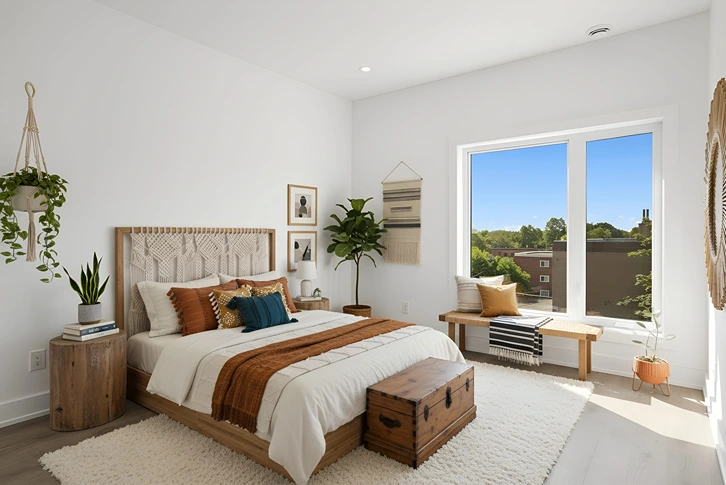
Option 1: home staging companies in Boston
These are some of the local businesses that offer traditional home staging in Boston. Scroll down to see how physical staging compares to virtual staging.
★ 4.9 (25 reviews)
•Home Staging
★ 5 (4 reviews)
★ 5 (28 reviews)
★ 5 (35 reviews)
★ 5 (13 reviews)
★ 5 (33 reviews)
★ 5 (35 reviews)
★ 5 (9 reviews)
Home staging costs in Boston
$2,500 - $6,000
Vacant home staging
$1,000 - $3,500
Occupied home staging
$200 - $800
Furniture rental
$300 - $1,500
Consultation fee
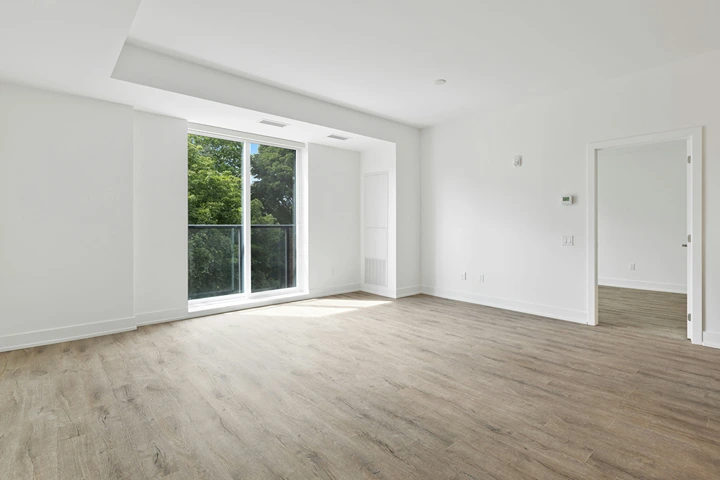
Option 2: Virtual Staging for Boston listings
Faster, cheaper, and just as realistic. An easy AI solution to stage Boston homes in seconds. With Stagify's virtual staging, you get:
- ✓15 seconds turnover
- ✓$0.30 per photo
- ✓Commercial use license
- ✓High resolution
Physical VS Virtualhome staging in Boston
Physical:
$2,500 - $6,000
Virtual with AI:
$0.30 per photo
Physical:
Days to weeks
Virtual with AI:
Seconds
Physical:
Scheduled only
Virtual with AI:
Edit anytime
Physical:
On-site showings
Virtual with AI:
Online listings
Physical:
Damage, logistics
Virtual with AI:
None
Why staging matters for Boston Real Estate
Boston's competitive real estate market, especially in desirable areas like the South End and Seaport District, means that a well-staged home is crucial for making a strong first impression. Professional staging helps buyers envision themselves in the space, leading to faster sales and potentially higher offers.
- ✓Attract more views on major portals
- ✓Help buyers understand scale and layout
- ✓Generate more showing requests
- ✓Often sell faster and closer to asking price
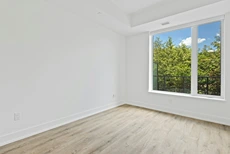
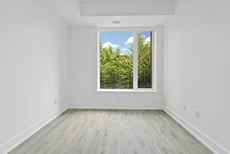
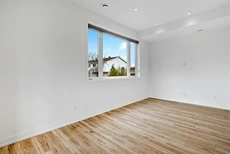
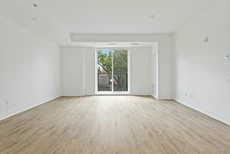
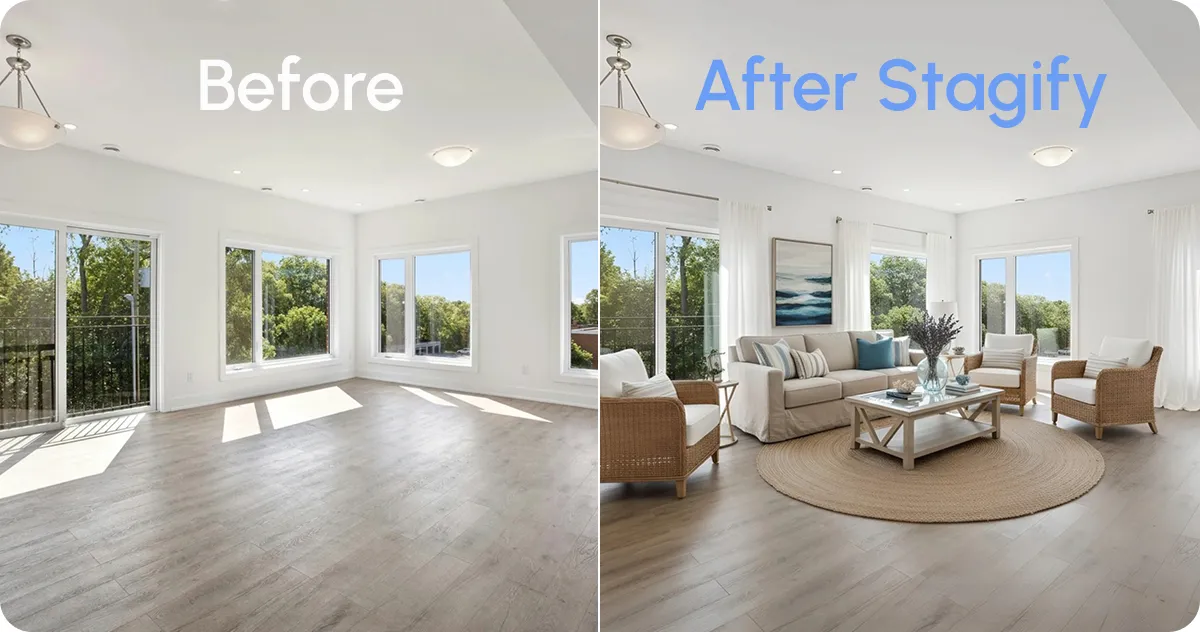
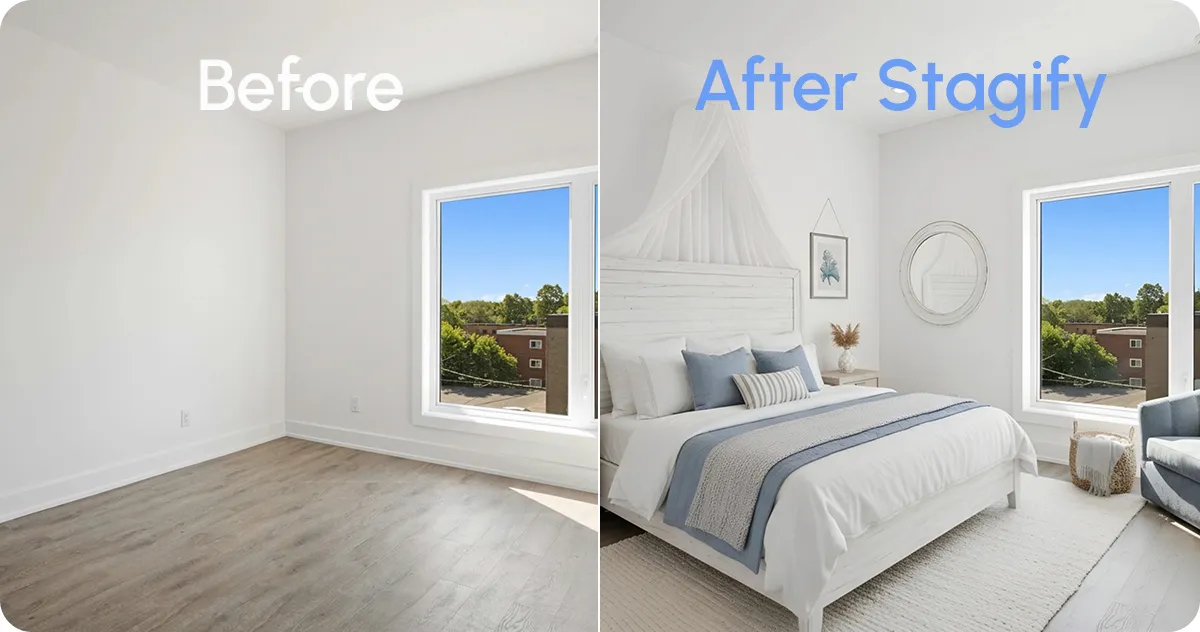
Before & After examples
Areas we serve around Boston
- •Back Bay
- •Beacon Hill
- •South End
- •North End
- •Seaport District
Nearby cities: Brookline, Cambridge, Somerville
FAQ
What are the most common architectural styles I should consider when staging in Boston?
Boston features a rich tapestry of styles, including Victorian, Colonial Revival, Federal, and Georgian. Highlighting original features like fireplaces, molding, and hardwood floors is key. Modern staging should complement, not clash with, these historic elements.
How important is decluttering in a historic Boston home?
Decluttering is paramount, especially in older homes that might have smaller rooms or less built-in storage. Removing personal items and excess furniture makes spaces feel larger and allows potential buyers to focus on the home's character.
Should I stage my apartment in a multi-family building in Boston?
Absolutely. Even in a multi-family building, staging can differentiate your unit. It helps potential renters or buyers see the unit's potential and lifestyle it offers, especially in dense neighborhoods like the North End.
How can staging help showcase a property with limited natural light in Boston?
Strategic furniture placement, mirrors, and a lighter color palette can maximize the perception of light. Using professional lighting solutions and ensuring all bulbs are functional and bright is also essential.
What's the role of staging in a condo versus a single-family home in Boston?
For condos, staging often focuses on maximizing perceived square footage and creating a functional, desirable living space within a defined footprint. For single-family homes, staging can highlight unique features and create a cohesive flow throughout the property.
How do I stage a home with a view of the Charles River or Boston skyline?
Ensure that the staging emphasizes the view. Arrange furniture to face or complement the view, keep window treatments minimal and elegant, and ensure the windows are spotless to allow for unobstructed sightlines.
Is it better to stage with modern or traditional furniture in Boston neighborhoods?
The best approach is often a blend, depending on the specific home and neighborhood. For historic homes, a classic or transitional style often works best. For newer constructions or lofts, a more modern aesthetic might be appropriate. The goal is always to appeal to the target buyer demographic.
Everything you need to Stage Properties — in Seconds, not days
No sign-up✦No credit card
No image? Try one of these